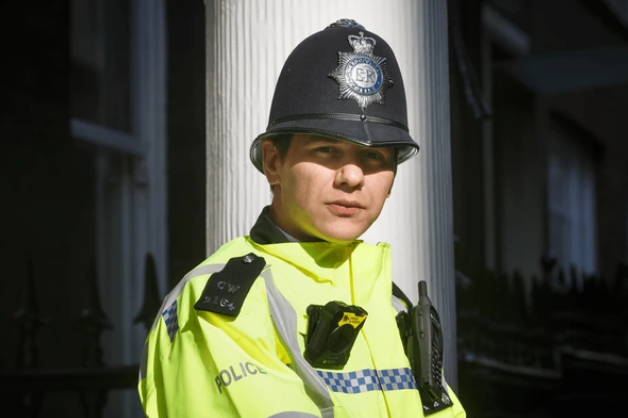
Learn more about PTSD in UK policing
How does PTSD show up for those who work, or have worked in UK policing? Learning to recognise the signs is key.
Policing shapes you over time. It can change how you see the world and how the world sees you. Throughout #PTSDAwarenessMonth, we're raising awareness of PTSD in UK policing and encouraging people to seek support and treatment.
Post-Traumatic Stress Disorder (PTSD) is a mental health condition caused by experiencing very stressful or frightening events. Whilst trauma impact is a natural response to any exposure, PTSD causes a physical and emotional response to traumatic events that can persist long after the trauma occured. For those leaving the Service, PTSD can follow into retirement, changing family life and affecting loved ones as well.
At Police Care UK, we understand PTSD affects everyone. That’s why our support extends beyond the individual. We offer confidential, trauma-informed help for families – from counselling and specialist clinical therapy to financial support. We’re here to help you.
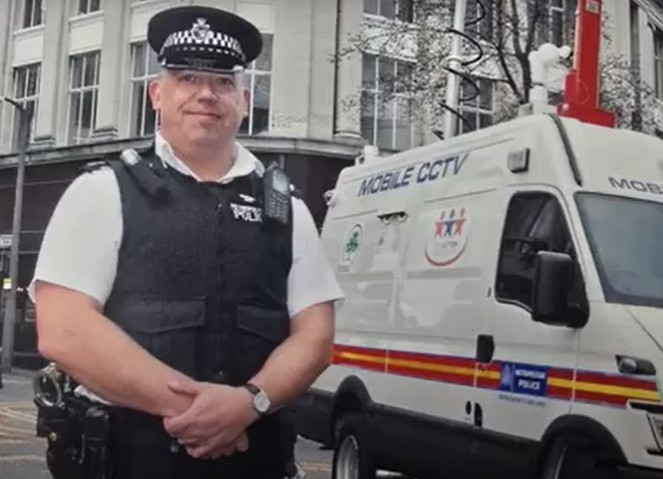
Ex Metropolitan Police Officer, John
For years I kept everything shut away. You tell yourself you’re fine. You carry on. Then one day, that way of coping just stops working,

How does PTSD show up for those who work, or have worked in UK policing? Learning to recognise the signs is key.

Supporting someone with PTSD can feel overwhelming. We’re here to help you learn how to manage it.

If your role in policing has started to affect how you’re feeling, thinking, or coping, you’re in the right place. Here you’ll find some of the most common ways harm can show up for people working in policing roles
Make a donation today or explore challenge events in the UK or abroad to get involved and help us be there for the policing community when they need help the most.